Pet travel products are one of the most practical categories to stock: they sell to first-time puppy owners, frequent flyers, urban cat owners and road-trip families. But wholesale dog carriers and cat travel bags bulk orders go wrong when buyers ignore sizing, ventilation and construction details. This guide covers what to check before you commit to a container.
Whether you are sourcing a custom pet carrier manufacturer for your own brand or adding stock to an existing range, use these seven checkpoints.
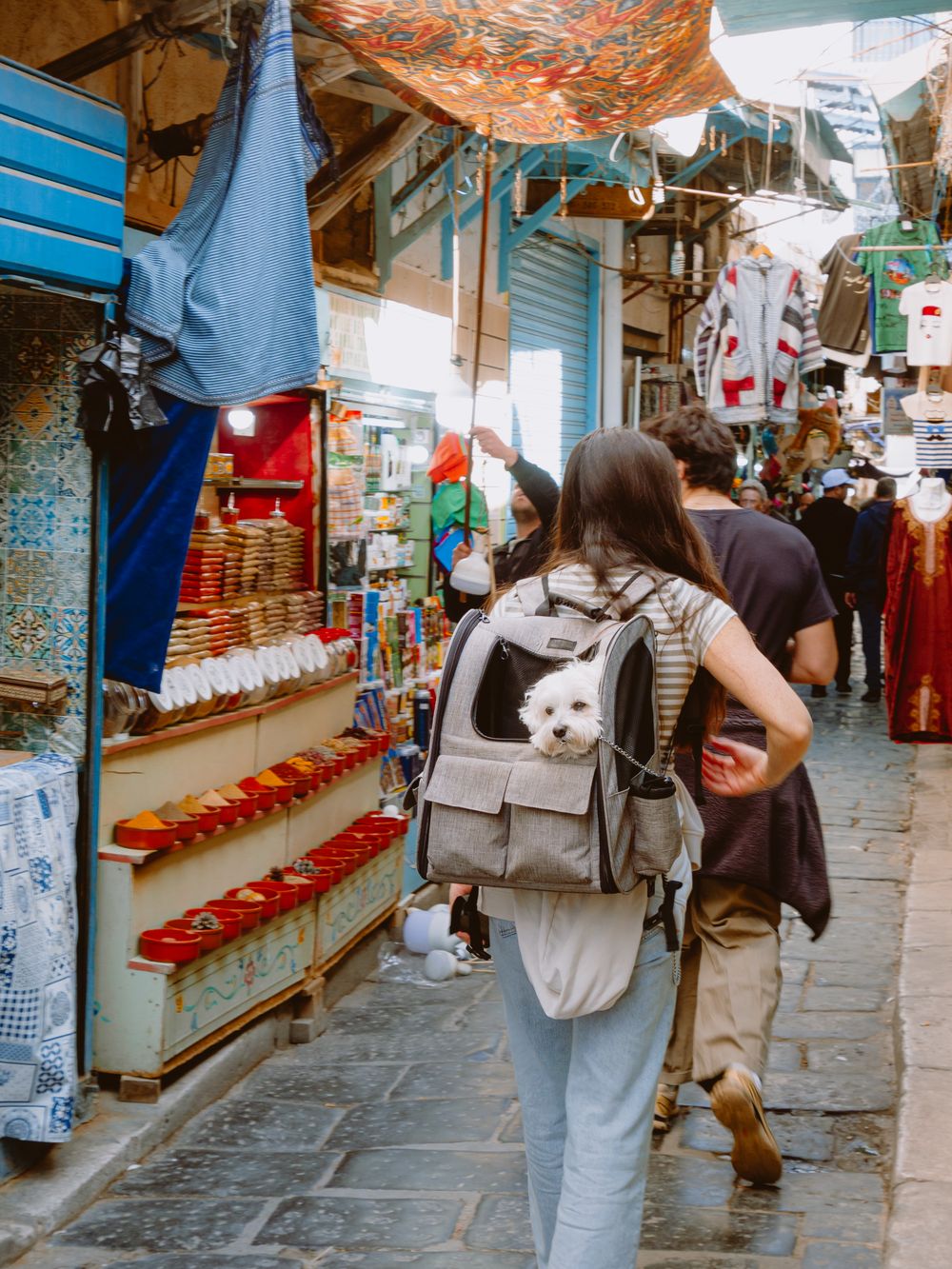
1. Why Pet Travel Products Are a Fast-Growing Category
Pets travel more than they used to — in cars, on trains, and on planes. Owners also want to carry smaller pets into shops and cafés. That demand creates repeat purchases: a customer may start with a soft carrier, then buy a backpack for hiking and a crate for air travel. For retailers, this means a well-chosen carrier range can grow into a full travel section.
2. Common Types: Backpack Carriers, Shoulder Bags, Foldable Crates and Hard Cases
- Backpack carriers — hands-free, popular for commuting and hiking; check back padding and strap adjustment.
- Shoulder and tote bags — lightweight, fashion-friendly, easy to upsell with matching accessories.
- Foldable soft crates — flat-packed, ideal for e-commerce shipping and storage; check frame stability.
- Hard cases and airline crates — for larger dogs and air travel; check latch strength and ventilation openings.
A balanced assortment usually mixes two soft styles with one structured option. See our Pet Carriers & Travel Crates category for the styles we manufacture most often.
3. Materials and Comfort: Breathable Mesh, Fabric, Padding and Structure
Material choice drives both comfort and returns. Breathable mesh panels need to be dense enough to resist clawing but open enough for airflow. Oxford cloth and polyester are common outer fabrics; padded shoulders and a washable inner liner improve daily usability. For a pet crate supplier OEM project, ask for material swatches and rub tests before approving production.
4. How to Size Carriers by Pet Weight and Breed
Never size only by "small / medium / large". Give buyers real internal dimensions and a suggested weight range. A useful retail chart compares internal length, height and width with the pet's body length and standing height. Small breeds such as Chihuahuas and Yorkshire Terriers fit compact soft bags; medium breeds usually need a larger backpack or foldable crate.
Clear sizing charts reduce wrong-size returns — one of the most common complaints in this category.
5. Safety Features: Ventilation, Zippers, Reinforced Handles and Washable Liners
Check that zippers have locking sliders or anti-escape clips, handles are reinforced at the stress points, and the base board does not bend under weight. Ventilation should work from at least two sides. A removable, machine-washable liner is a strong selling point for pet stores. Ask your supplier for a sample stress test video if you cannot visit the factory yourself.
6. OEM/ODM Options: Logo, Color, Size, Pattern and Packaging
A custom pet carrier manufacturer can usually adjust logo placement, fabric color, mesh color, strap webbing, printed pattern, hang tags and retail box. Ask which changes affect MOQ — a custom fabric color often requires a larger run than a printed logo. If you are new to this, read our private label OEM/ODM guide for the full process.
7. Ordering Carriers in Bulk: MOQ, Samples and Lead Time with Carrier
At Carrier, travel carriers are one of our six core categories and the namesake of our brand. We support in-house sampling, flexible MOQ for trial orders and OEM/ODM customization across logo, color, size and packaging. Samples typically take 7–10 days, and every shipment gets a final QC check before packing.
Send us your target style, size mix and quantity and we will reply with a written quote and sample options.
Need this category in bulk or as your own brand?
Contact Carrier for a quote, samples and a full product list.
Request a Quote →